
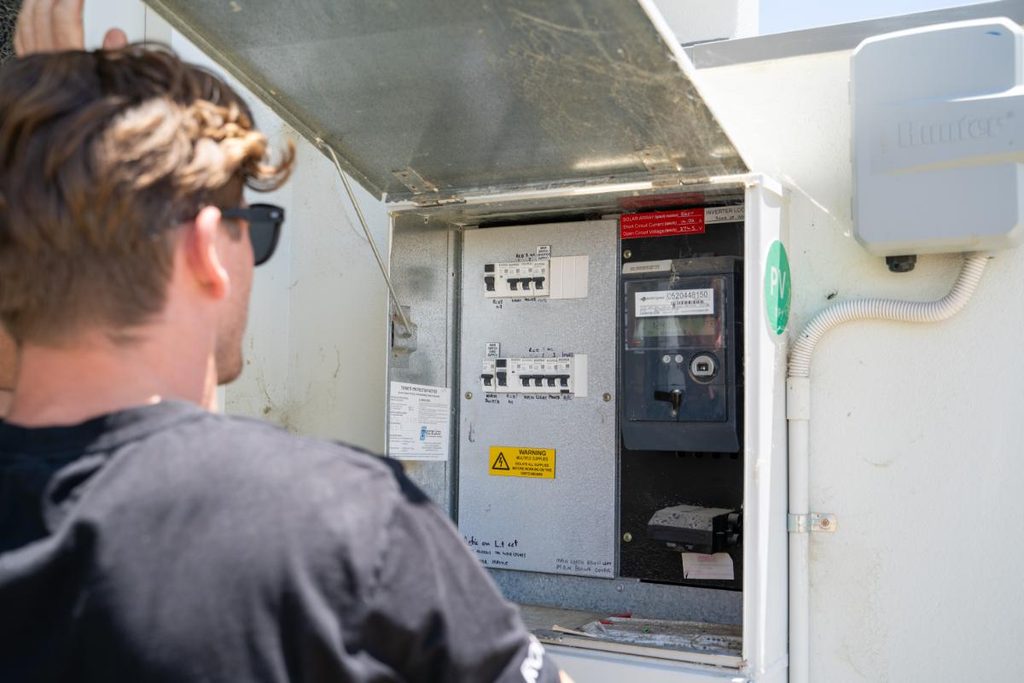
Every year, Perth’s winter storms quietly stress-test the switchboards in thousands of homes across the metro area, and every year, most people only find out something’s wrong once summer’s heat pushes an already-tired board past breaking point. A tripped safety switch at 40°C with the aircon running is annoying. A switchboard fault that starts a fire is not.
This guide walks through exactly what a switchboard does, why the shoulder season between winter and summer is the right time to look at it, the warning signs you can spot yourself, and what a licensed electrician actually checks during a proper inspection. If you’d rather skip straight to booking, the details below will get you sorted. Otherwise, read on.
Book a Switchboard Check
Fixed price · Usually same week · Call 0455 678 978
What Your Switchboard Actually Does
Your switchboard is the single point every circuit in your home runs through before it reaches a power point, light, or hardwired appliance. It takes incoming power from the street, splits it into individual circuits, and, critically, it’s supposed to cut power automatically the moment something goes wrong on any one of those circuits, whether that’s a short in an appliance, a nail through a cable during a renovation, or water finding its way into a light fitting.
A switchboard that’s doing its job properly is invisible. You never think about it. The problem is that a switchboard that’s failing quietly is also invisible, right up until it isn’t, usually at the worst possible moment.
Why the End of Winter Is the Right Time to Check It
Perth’s wet season runs roughly May through September, and it’s genuinely hard on electrical infrastructure. Wind-driven rain finds its way into roof cavities and meter boxes, humidity sits in wall cavities for months at a time, and power surges during storms put a load on circuit breakers and safety switches that they don’t see the rest of the year. Most of that damage is gradual, such as a connection that’s slightly corroded or a breaker that’s slightly weaker than it was, so it doesn’t show up as an obvious fault straight away.
Then summer arrives. Air conditioners, pool pumps, and outdoor entertaining all add sustained load right as WA sees its highest temperatures and its highest bushfire risk of the year. A switchboard that was already marginal after winter is exactly the kind of thing that fails under that extra summer load, which is why the gap between the two seasons is the best window to get it looked at, while there’s still time to fix anything before the heat hits.
The Four Things a Proper Switchboard Check Covers
“Switchboard check” can mean very different things depending on who’s doing it. Here’s what we actually look at, and why each one matters.
1. Switchboard Age and Capacity
A lot of Perth homes, particularly anything built before the early 2000s, still have older ceramic fuse boards rather than modern circuit breakers, or a board that was sized for the appliance load of a much smaller household. Ceramic fuses don’t reset like a breaker. They need to be physically rewired when they blow, and in a genuine fault they’re slower and less predictable than a modern circuit breaker at cutting power. On top of that, most older boards simply don’t have the physical space or amperage capacity for a modern home running ducted air conditioning, an electric vehicle charger, or a full kitchen of electric appliances. We check the board’s age, its rated capacity against what’s actually connected to it, and whether there’s room to add circuits safely if you ever need to.
2. RCDs and Safety Switches
A residual current device (RCD), commonly called a safety switch, is the single most important safety feature on your switchboard. It monitors the electricity flowing out to a circuit against the electricity flowing back, and if it detects even a small imbalance, which usually means current is leaking somewhere it shouldn’t, often through a person, it cuts power in a fraction of a second. That’s the difference between a manageable shock and a fatal one, and it’s also what’s supposed to stop a developing fault from turning into a house fire.
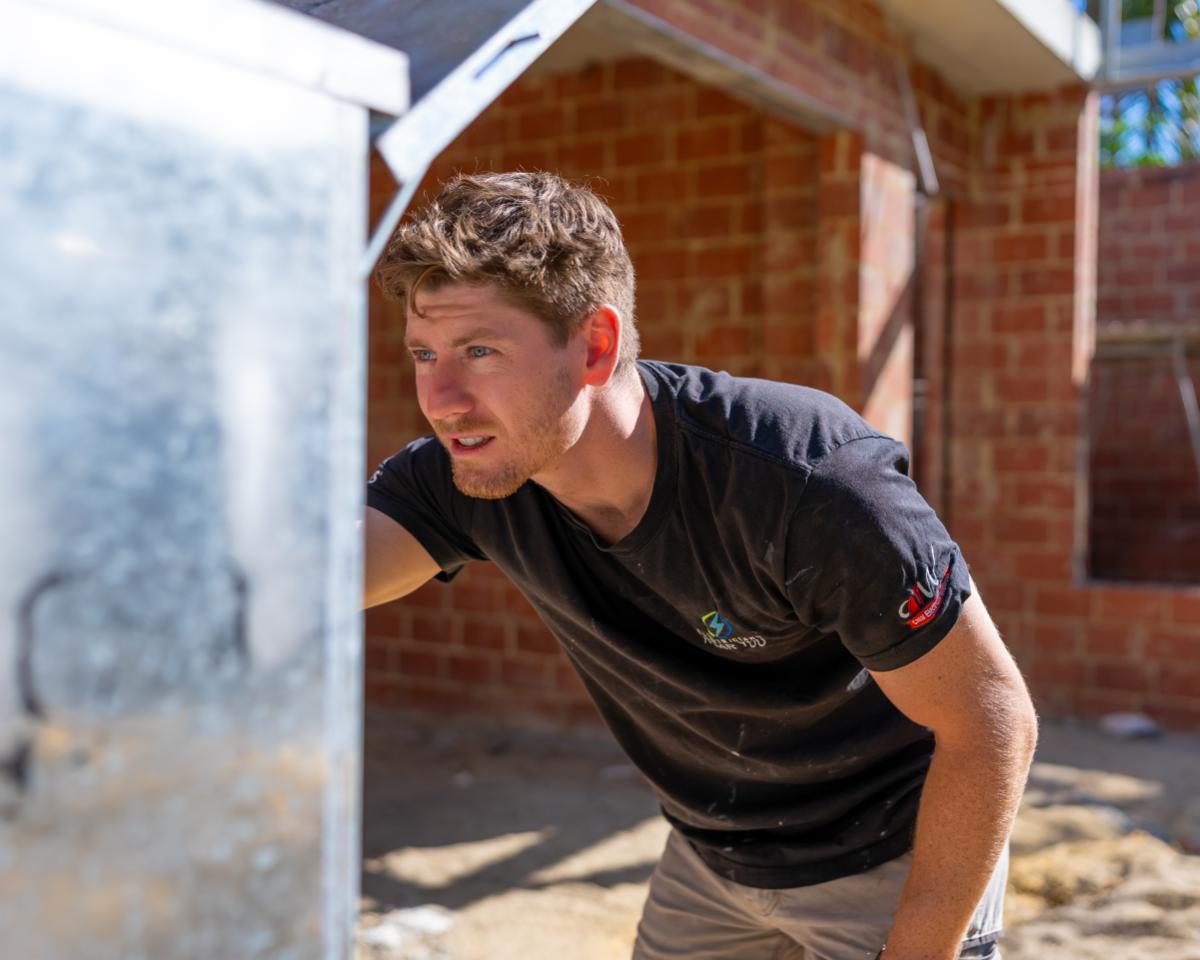
The catch is that RCDs can degrade over time and stop functioning correctly without any visible sign. The only way to know yours will actually work when it’s needed is to test it. We test every RCD on the board, confirm the home has the correct number fitted (older homes are sometimes only protected on one or two circuits instead of the whole board), and replace any that fail to trip within the required time.
3. Breaker Condition
Circuit breakers do a lot of switching over their lifespan, and like any mechanical component, they wear. We look for heat discolouration around the breaker or the busbar it sits on, corrosion on the terminals, loose connections that can arc under load, and any breaker that feels warm to the touch or has a slight burning smell nearby. These are all early indicators of a developing fault that hasn’t tripped anything yet, but will eventually. Catching this at an inspection is the difference between a straightforward breaker replacement and an emergency callout after something’s already failed.
4. Storm and Moisture Damage
After a wet winter, we specifically check the meter box and switchboard enclosure for signs of water ingress, including staining, corrosion on metal components, or a musty smell inside the enclosure, along with the earthing connection, which is what gives fault current somewhere safe to go instead of through a person or an appliance. Loose connections from vibration or minor water exposure during storms are also common, and they’re a classic cause of intermittent faults that seem to come and go with no obvious pattern.
What we check on a switchboard
| What We Check | Why It Matters |
|---|---|
| Switchboard age and capacity | Old ceramic fuse boards can’t keep up with modern homes. We check yours has room to grow. |
| RCDs and safety switches | Every safety switch is tripped and tested so it’ll actually cut power the instant something goes wrong. |
| Breaker condition | We look for heat marks, corrosion, and loose terminations, the early warning signs of a real fault. |
| Storm and moisture damage | Loose connections and moisture from winter storms often hide until summer heat finds them. |
6 Warning Signs You Can Check Yourself Right Now
You don’t need to open your switchboard to spot most of the early warning signs, and you shouldn’t unless you’re a licensed electrician. From the outside, here’s what’s worth a closer look:
- Lights that flicker or dim slightly when a big appliance like the aircon or oven switches on.
- A safety switch or breaker that trips more than occasionally, especially in wet weather.
- A faint burning smell near the meter box, or discolouration on the switchboard cover.
- A buzzing or crackling sound coming from the switchboard or meter box.
- Power points that feel warm, or that have scorch marks around the switch plate.
- A switchboard you’ve never had checked, in a home you’ve owned more than five years.
If any of these sound familiar, it’s worth getting looked at sooner rather than waiting for the shoulder-season check-up. These are signs of a fault that’s already developing.
Why This Isn’t a DIY Job
In Australia, working inside a switchboard is restricted to licensed electricians by law, and that’s not red tape for its own sake. A switchboard carries live current at levels that are lethal without the right training, testing equipment, and isolation procedure. Getting it wrong doesn’t just risk a shock. It can mask a fault instead of fixing it, leaving a home looking fine while a real problem keeps developing behind the cover.
The other reason to use a licensed electrician is documentation. A proper inspection comes with a written record of what was tested, what passed, and what was replaced. This is useful for your own records and is often asked for by insurers or when a property is sold.
What Happens During Our Switchboard Check
So there are no surprises, here’s exactly what we do when we come out:
1. Visual Inspection
We check the switchboard, meter box, and enclosure for heat damage, corrosion, moisture ingress, and loose or exposed wiring.
2. RCD and Breaker Testing
Every safety switch is tested to confirm it trips within the required time, and every breaker is checked for correct operation under load.
3. Capacity Assessment
We compare the board’s rated capacity against what’s actually connected, and flag anything close to its limit, especially relevant if you’re planning to add air conditioning or an EV charger.
4. Earthing Check
We confirm the earthing system is intact and correctly connected, since this is what protects you and your appliances if a fault does occur.
5. Written Report and Clear Next Steps
You get a plain-English summary of what we found, what (if anything) needs attention, and an upfront fixed price for any recommended work, with no obligation and no pressure.
Renovating, or Adding a Ducted Aircon or EV Charger?
New loads like ducted air conditioning, a home EV charger, or an expanded kitchen are one of the most common reasons an older switchboard gets pushed past what it was ever designed to handle. It’s far cheaper and less disruptive to check capacity before the new circuit goes in than to discover a problem after the aircon installer or sparky doing the EV charger tells you the board can’t take it. If you’ve got any of this planned for the next twelve months, it’s worth having your switchboard checked now.
What It Actually Costs to Ignore a Failing Switchboard
A planned switchboard check is a fixed, modest cost. The alternative, waiting for a failure, tends to be far more expensive in ways that aren’t always obvious upfront:
- Emergency callouts cost more than a scheduled visit, and faults have a habit of happening at night, on weekends, or during a heatwave when demand is highest.
- A fault that damages connected appliances, including fridges, TVs, and air conditioning units, can cost far more to replace than the switchboard work would have.
- Electrical faults are a leading cause of house fires, and the damage and disruption from even a small electrical fire dwarfs the cost of prevention.
- Insurers can ask for evidence of electrical maintenance when assessing a claim, particularly on an older property. A documented inspection is proof you took reasonable care.
None of this is about scaring anyone into a sale. It’s simply the honest trade-off between a small, planned cost now and a larger, unplanned one later.
Get Your Switchboard Summer-Ready
A quick switchboard check now beats a blown board on the hottest day of the year. Fixed price, no surprises, and a written report you can keep on file.
Book Your Switchboard Check
Call 0455 678 978