

WA’s smoke alarm rules have changed more than once over the past decade, and plenty of Perth homes are still running alarms that were perfectly fine when they were installed but no longer meet the current standard. It’s an easy thing to overlook, until it costs you at settlement, delays a tenancy, or worse, fails to do its one job when it matters most.
This guide covers exactly what WA law requires for residential smoke alarms in 2026, the four rules that catch the most homeowners out, and how to know whether your home is already compliant.
Book a Compliance Check
Certificate issued on the spot, or call 0455 678 978.
Why the Rules Keep Changing
Smoke alarm regulation in WA has tightened progressively because the data is clear: interconnected, hardwired alarms save more lives than standalone battery units, simply because every alarm in the house triggers together, giving occupants more warning time no matter where a fire starts. The trade-off is that a lot of existing housing stock was compliant under an older standard and now isn’t, and unlike some building requirements, smoke alarm compliance is actively checked at two common trigger points: selling a property, and renewing or starting a residential tenancy.
Here are the four rules that most commonly catch Perth homeowners out.
1. Interconnected, Hardwired Alarms
Since 2022, all WA homes being sold or leased are required to have hardwired, interconnected smoke alarms. Battery-only alarms, even good ones, no longer meet the standard on their own. Interconnection means every alarm in the home activates together: if a fire starts in a back bedroom, the alarm in the hallway near the front door goes off too, which matters enormously for anyone trying to get out safely, especially at night.
2. Alarms Wherever You Sleep
It’s not enough to have an alarm in the hallway. WA requirements specify smoke alarms in or near every bedroom, plus at least one on every level of the home. A common compliance gap in older homes is a single hallway alarm that was adequate decades ago but doesn’t cover a converted bedroom, a granny flat, or a second storey added since.
3. The 10-Year Compliance Date
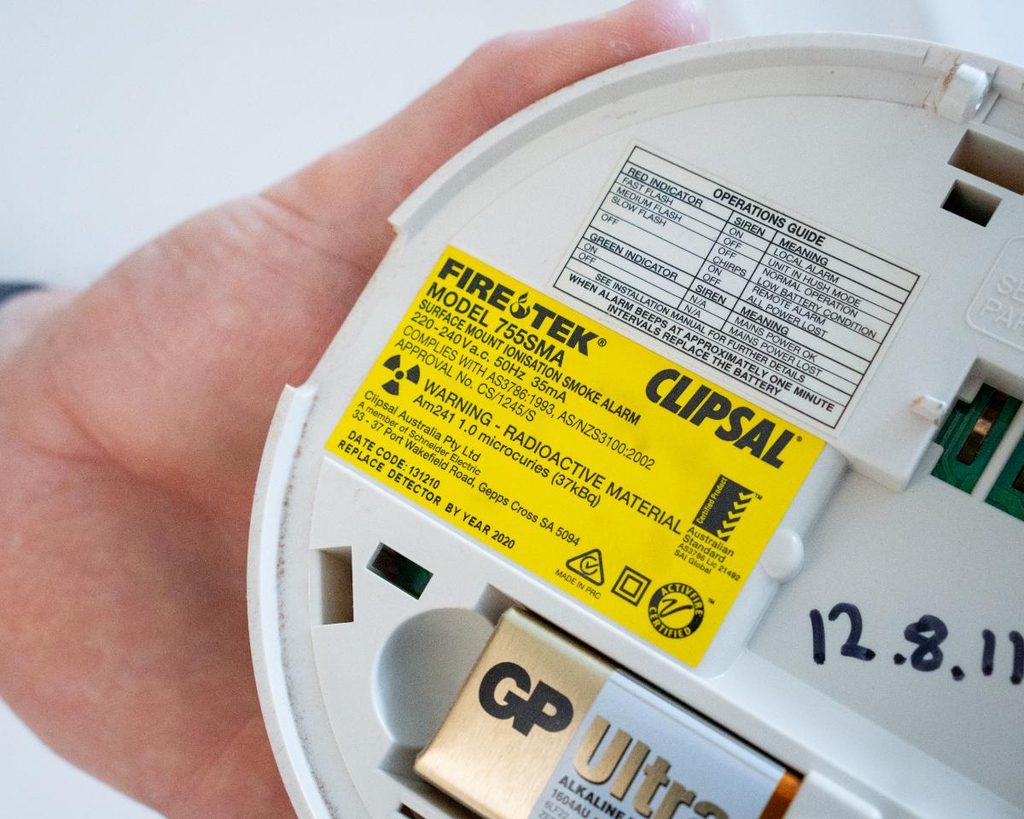
Smoke alarms are only compliant for 10 years from their manufacture date, printed on the back of the unit, not from the date they were installed, and not from when you moved in. Alarm sensors degrade over time in ways that aren’t obvious from the outside; a decade-old alarm can still beep when tested and still be past its safe working life. If you don’t know how old yours are, that’s the first thing worth checking.
4. A Current Compliance Certificate
If you’re selling or leasing, you need a current compliance certificate confirming your smoke alarms meet the standard, and without one, settlement or a new tenancy sign-off can be delayed at exactly the point where delays are most expensive and most stressful. Getting this sorted well before you list or advertise a property avoids a last-minute scramble.
WA smoke alarm rules that matter
| Rule | What to know |
|---|---|
| Interconnected alarms | Since 2022, all WA homes need hardwired, interconnected smoke alarms. Battery-only no longer meets the standard. |
| Alarms wherever you sleep | You need a smoke alarm wherever bedrooms are located, not just in hallways, plus one per level. |
| 10-year compliance date | Alarms are only compliant for 10 years from their manufacture date, whatever the install date. |
| Compliance certificate | Selling or leasing? You need a current certificate, or settlement and lease sign-off can be delayed. |
How to Check Your Own Alarms Right Now
Before booking anyone, a few quick checks tell you roughly where you stand:
- Look at the back of each alarm for a manufacture date. Anything over 10 years old needs replacing regardless of condition.
- Press the test button on each alarm and confirm every other alarm in the home sounds too. That’s what interconnection looks like.
- Count your bedrooms and check there’s an alarm in or immediately outside each one.
- If any alarm is battery-only with no wiring to the ceiling rose, it’s very likely not compliant on its own.
If any of these raise a question mark, it’s worth getting a professional check before you rely on the answer, particularly if you’re planning to sell or lease within the next year.
Why This Isn’t Just a Battery Swap
Bringing a home up to current smoke alarm standard usually means hardwiring new interconnected alarms into the ceiling, which is licensed electrical work, not something you can achieve by simply buying better alarms off the shelf. It’s also worth doing properly the first time: a compliance certificate only holds up if the work was actually done to standard, and a rushed or DIY job discovered during a sale can cost far more in delays than the original install would have.
What Happens During Our Compliance Check
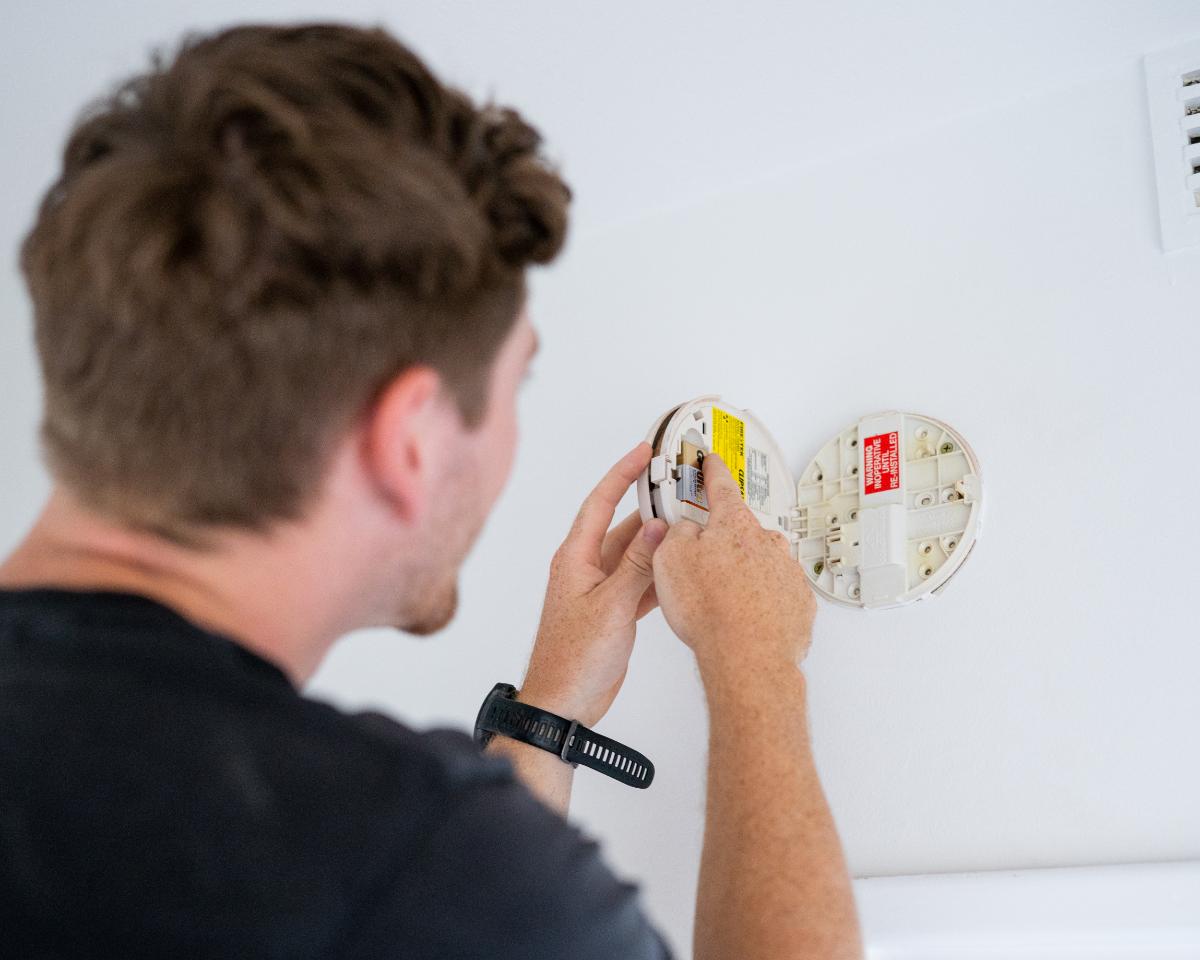
- Full alarm audit: We check every alarm’s age, type, and location against the current WA requirement.
- Interconnection test: Every alarm is tested to confirm it triggers the rest of the system, not just itself.
- Replacement and interconnection work: Any alarm that’s outdated, missing, or not properly interconnected is replaced and wired in.
- Compliance certificate: You receive a current compliance certificate on the day, ready for settlement or a new lease.
Not Sure if Your Home Complies?
We check every alarm against current WA regulations and issue a compliance certificate on the spot, ideal before you list, lease, or renovate. Most homes are done within an hour.
Sleep Safe, Stay Compliant
Get your smoke alarms checked and certified.
Fast turnaround, certificate provided on the day, ready for settlement, a new lease, or peace of mind.
Book your compliance check: call 0455 678 978.