
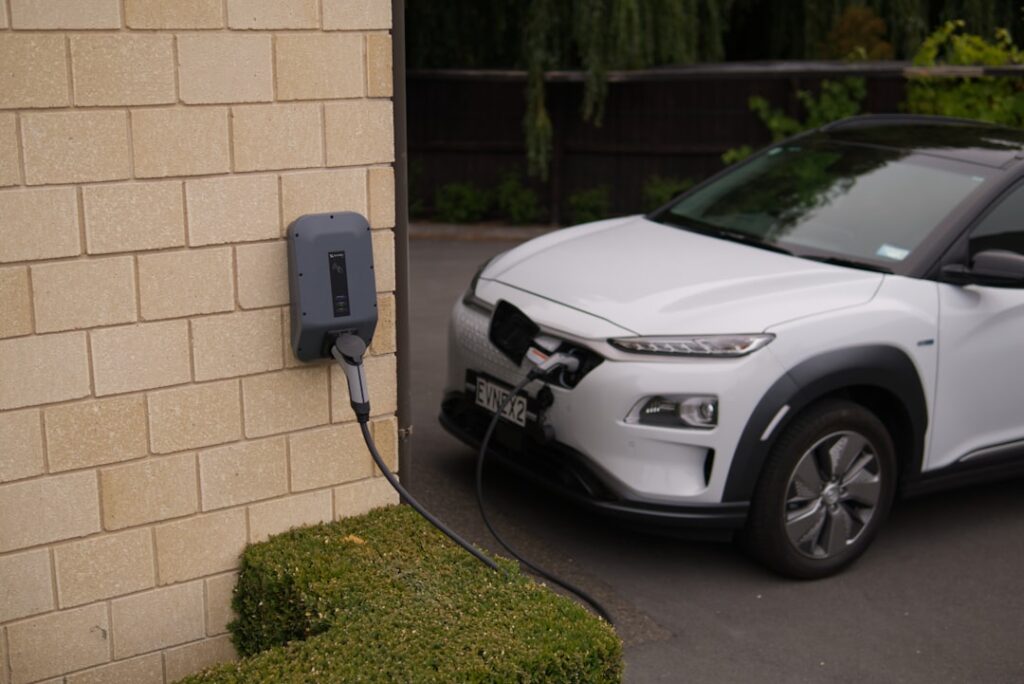
Plugging an EV into a regular power point works, until it doesn’t. What starts as a convenient way to top up overnight can turn into a slow charge, a tripped circuit, or in the worst cases a fire risk, because a standard household power point was never designed to carry a sustained 10-amp-plus load for eight hours straight, night after night.
This guide walks through exactly what determines whether a home EV charging setup is safe, fast, and compliant: circuit capacity, charger type, safety switch rules, and cable planning, so you know what to ask for before you buy a charger or book an install.
Book a Home Charger Install
Fixed-price quotes, or call 0455 678 978.
Why a Regular Power Point Isn’t the Answer
A standard household GPO is rated for occasional, short-duration use: a kettle for a few minutes, a vacuum cleaner for half an hour. An EV charging overnight draws a steady load for six to ten hours at a time, every single day. Power points, extension cords, and the wiring behind them simply weren’t built for that kind of continuous draw, and the failure mode isn’t always an obvious trip. It can be a slowly overheating connection behind the wall that you never see until it’s already a problem.
That’s why a proper home EV charging setup is treated as its own project, not an accessory you plug in. Four things determine whether that setup is safe, fast, and legal.
1. Circuit Capacity
Your switchboard needs spare capacity for a dedicated 32A-63A circuit, depending on the charger. Plenty of older Perth homes, especially anything on an original ceramic fuse board or a board that’s already close to full, simply don’t have room for that without an upgrade. This is the single biggest reason EV charger quotes vary so much: a home with a modern, underutilised board might need nothing more than a new circuit, while an older board might need a partial or full upgrade first. Getting the switchboard assessed before you buy a charger avoids an expensive surprise after the fact.
2. Charger Type and Speed
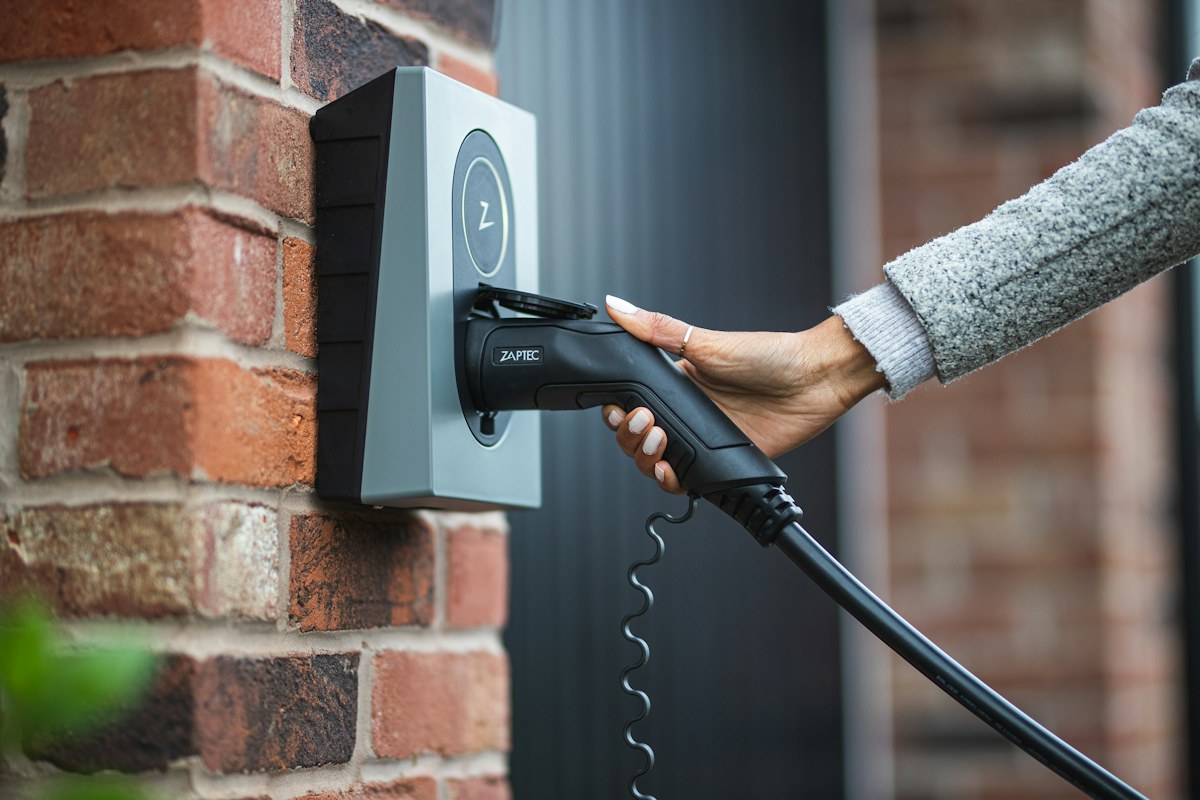
A dedicated 7kW wall charger cuts charging time dramatically compared to a regular power point, which typically delivers well under half that rate. But speed isn’t just about the charger unit. It needs to be matched to a circuit and cable run that can actually deliver that current safely. Cheaper chargers sold online often assume a straightforward install; the reality in an existing home is usually more involved, which is why we always check the whole path from switchboard to charger, not just the unit itself.
3. Safety Switch Compliance
Under WA wiring rules, EV charging circuits need their own dedicated RCD (safety switch) protection. This isn’t optional, and it isn’t the same protection your general power circuits already have. EV chargers also draw DC leakage current in a way that can, on some circuit types, desensitise a standard RCD over time. A compliant install uses an RCD (often Type B or a charger with built-in DC leakage detection) specifically rated for EV charging, tested and certified as part of the job.
4. Cable Run and Location
Where the charger sits changes everything: cable length, conduit requirements, whether the run goes through a wall cavity, under a slab, or along an exposed eave. A charger mounted close to the switchboard is usually the cheapest and fastest install; one on the far side of the house, or in a detached garage, can mean significantly more cable and labour. We plan this out and quote it before any work starts, so the price you’re given is the price you pay.
What determines a safe home EV charger setup
| Factor | What to know |
|---|---|
| Circuit capacity | A 32A-63A circuit needs spare board capacity. Older boards often need an upgrade first. |
| Charger type & speed | A dedicated 7kW wall charger is dramatically faster than a regular power point, if the circuit supports it. |
| Safety switch compliance | EV circuits need their own dedicated RCD protection under WA wiring rules. It’s not optional. |
| Cable run & location | Charger placement drives cost. Cable length and conduit work are planned and quoted upfront. |
Signs Your Switchboard Might Not Be Ready
Before you commit to a charger, a few signs suggest your board will need attention first:
- Your switchboard still uses ceramic fuses rather than modern circuit breakers.
- You’ve never had the board’s capacity checked against everything currently connected to it.
- You’re also planning ducted air conditioning or another major new circuit around the same time.
- Your home was built before the early 2000s and the switchboard looks original.
None of these rule out an EV charger. They just mean the board should be part of the conversation, not an afterthought once the charger’s already been bought.
Why This Isn’t a DIY or Handyman Job
Installing a dedicated circuit back to the switchboard, sizing the RCD correctly, and certifying the work is licensed electrical work in Australia, full stop. Beyond the legal requirement, an incorrectly sized or protected EV circuit is one of the more serious fire risks in a modern home, precisely because of the sustained load involved. A proper install comes with a certificate of electrical compliance, which is also often requested by insurers and can matter at resale if a buyer’s building inspector asks about home EV charging.
What Happens During Our Home EV Charger Install
- Switchboard assessment: We check current capacity against everything already connected, and confirm whether an upgrade is needed before adding the EV circuit.
- Charger and route planning: We recommend a charger suited to your vehicle and usage, and plan the shortest practical cable route from switchboard to charging point.
- Dedicated circuit installation: A new circuit is run and protected with EV-rated RCD protection, sized correctly for continuous load.
- Testing and certification: Every circuit is tested before handover, with a certificate of electrical compliance provided for your records.
- Fixed-price quote, no surprises: You get one upfront price covering the whole job: switchboard work, cabling, charger install, and certification.
Thinking About Going Electric?
If you’re EV-shopping or about to take delivery, it’s worth getting your home charger sorted before the car arrives, so you’re not relying on extension cords or an overloaded powerpoint in the meantime, even for a few weeks. We can quote the install off your switchboard photos in most cases.
Charge Smarter, Charge Safer
Get your home EV charger installed right.
Fixed-price quotes, WA-compliant installs, done in a day, with a compliance certificate for your records.
Book your EV charger install: call 0455 678 978.